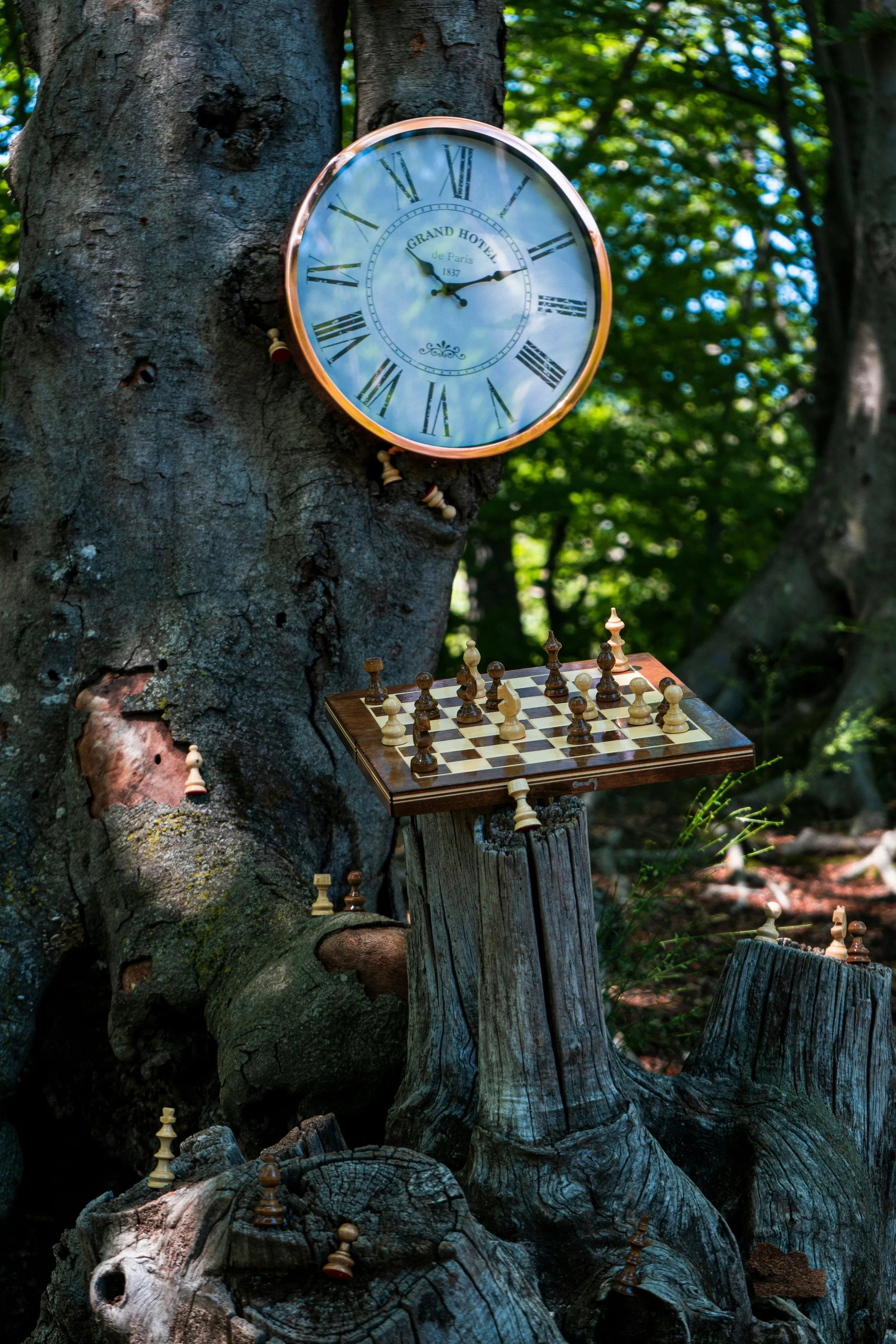
Stewardship Checkmates Control

A few of my blogs reference San Diego. I went to bootcamp there and was stationed at NAS North Island, and looking back, that was the first time I had truly lived on my own. After active duty, I remained on North Island for another eight years.
One government-sponsored event eventually became the icebreaker for almost every conversation afterward.
"Where were you on 9/11?"
I was on North Island taking care of aircraft carrier-based aircraft cranes. In the days that followed, I became laser focused on getting one particular crane back into service because its carrier was suddenly heading overseas.
Our team rallied around the job, and somehow, we found a way to make it happen. At the time, it felt like fixing a crane. Looking back, I realize we were helping set a much larger game in motion.
Since then, I've spent most of my career working in government-supported industries, each with a different mission, yet each playing a delicate game of chess, checkers, and chastity.
Of all the hats I've worn, learning what it means to truly grow in an environment built around human factors gave new meaning to a statement I had heard years before.

Blood sharpens blood, and iron sharpens iron.
We, the people, are here to help one another. That seems so obvious, yet it can be surprisingly difficult to practice. The common struggle often comes down to transparency. We do the right thing not simply because someone tells us to, but because it's the right thing to do—even when no one is watching.
One lesson that stood out early was how management accepted responsibility when accidents happened. Remember those icebreakers? "Where were you when the space shuttle accidents occurred?" Those tragedies changed more than procedures. They reinforced a culture where transparency mattered.
Whenever an incident—or even a near miss—occurred, an investigation followed. The purpose wasn't to find someone to blame. It was to understand why it happened and how to prevent it from happening again. Yes, people were still held accountable when appropriate, but more often than not the lasting outcome was a safer system for everyone.
I've found that every organization has its own ecosystem. Some are thriving. Some are struggling. Every one of them has taught me something.
Speaking of which... what were you doing during COVID?
I mention "essentials" in another blog, and it seems fitting to reinforce that idea from time to time. Those essentials—or simply we the people—did our best to navigate the constant changes as our everyday liberties were tested, challenged, and at times felt uncertain.
During that same period, I discovered permaculture. It was at a wonderful place in Central Florida, and it was there that I began making even more connections.
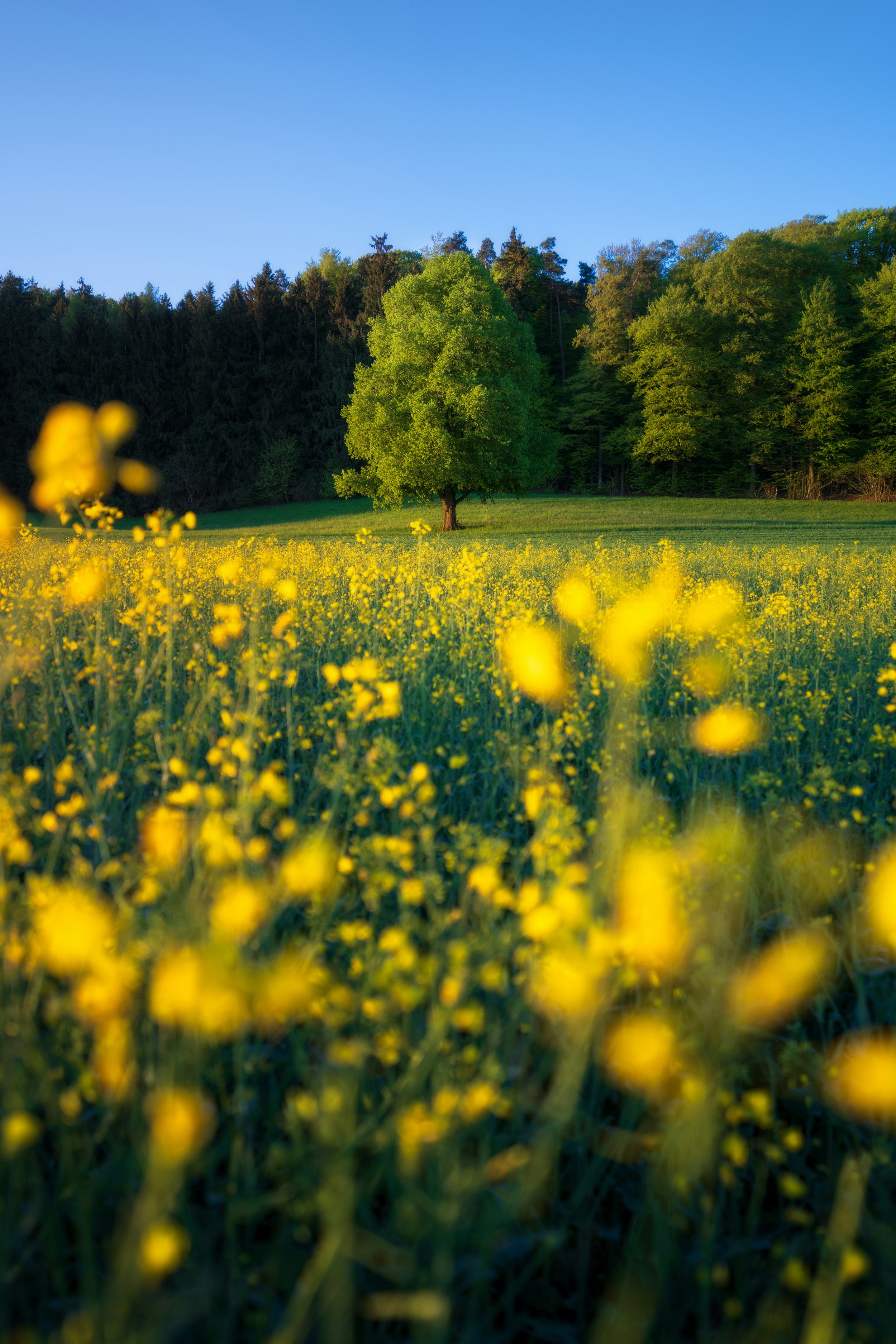
I learned about the symbiotic relationship we have with the soil beneath our feet and the incredible universe of activity taking place just below the surface. How can a tree standing hundreds of feet away share nutrients with nearby grasses and shrubs? How does that hidden communication network work? And if nature has found a way to thrive through connection beneath the surface, what might we learn from it above the ground?
It’s these communication breakdowns that seem to be one of the most common themes, period.
We all get to catch glimpses of incredible teamwork from time to time, yet somewhere along the way the message often becomes distorted as it moves through layers of leadership, media, and everyday interpretation. COVID simply became another reminder of how difficult it can be to communicate clearly when everyone is trying to make sense of uncertainty.
That's one of the reasons I keep coming back to the tree.
The tree cares for the flowers beneath it. It doesn't ask which flower deserves more nutrients or which shrub should be left behind. It simply participates in a living system that has learned how to communicate over millions of years.
Does our system care for its people in the same way?
I believe most people genuinely want it to. We see evidence of kindness, sacrifice, and cooperation every day. Unfortunately, we also tend to see the loudest voices amplified while the quieter acts of stewardship happen all around us. Sometimes you have to step away from the noise to notice the network.
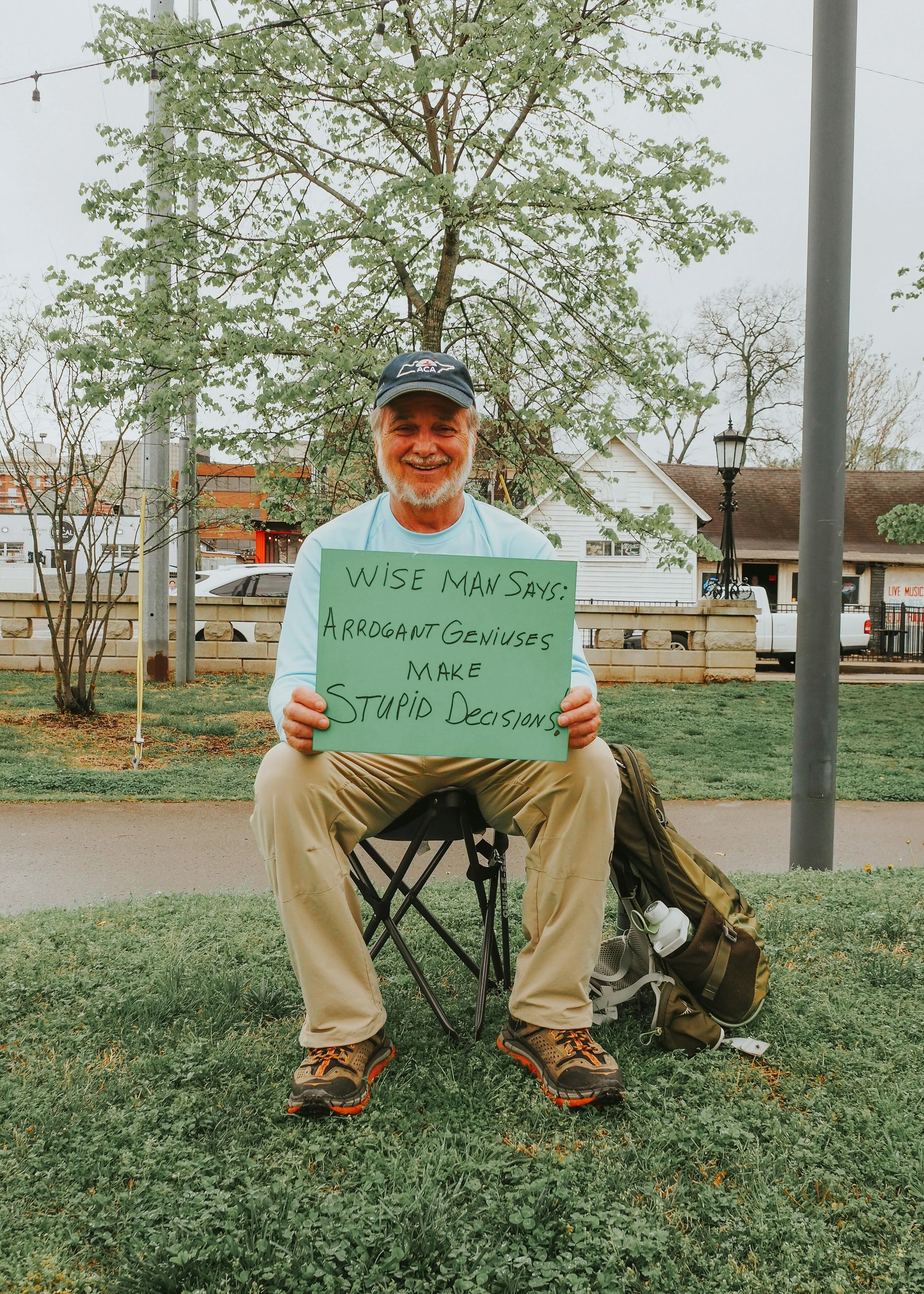
This network has grown, and when it's working well it can be incredibly effective. We see examples of both success and failure every day. Sometimes I wonder if ineffective tools are simply part of the game, and that's where I find myself coming back to chess, checkers, and chastity.
The news reports history almost as it unfolds, like a living time capsule. Yet behind every headline are countless decisions, conversations, and relationships that rarely make the story. Who were the players? What moves led us here?
Chastity, at least as I see it, isn't simply about restraint. It's about stewardship. It reminds me of another blog where I asked whether we could create a child-friendly planet built on coexistence.
Is that even possible?
I believe it is, and I think the answer begins with how we exchange information.
Today we can speak with almost anyone in the world, often with many people at once. That ability has changed everything. Like any powerful tool, it can unite us, divide us, educate us, or confuse us. The tool itself isn't the answer. It's how we choose to use it.
Of all the things that came from COVID, one surprise stands out to me. Despite being physically separated, many of us found new ways to connect. We discovered who quietly held our communities together—the people who kept showing up, adapted when they had to, and found ways to contribute to the people around them.
Maybe that's what surprised me the most. I started this journey thinking I was learning about careers, organizations, and systems. Somewhere along the way I realized I was really learning about people. Healthy systems—whether they're forests, workplaces, or communities—aren't held together by control alone. They're held together by communication, trust, and countless individuals quietly choosing to contribute.
Come to think of it, for years I thought the object was to become better at chess. Somewhere along the way I began to wonder if stewardship checkmates control. Maybe the real game was never about winning. Maybe it was always about learning how to care for the board we all share.