ESSENTIALS!

What does the word essential mean to you? Its meaning has shifted over time, and in recent years it has taken on new weight. Depending on context, it can point to necessity, value, or responsibility.
For many people, the idea of being labeled “essential” became closely tied to work and livelihood. In that sense, every role matters, and every person contributes in ways that often go unseen.
This reflection is offered especially for those who make up the foundation of the working world—the people whose daily efforts keep systems moving. Rather than offering answers, this piece holds space for questions meant to be explored together.
For example:
How are those considered “essential” supported in return for the roles they perform?
Questions around fair compensation, stability, and long-term well-being often surface here.What does mutual reliance look like between workers and the systems they support?
While contributions may differ, shared benefit tends to work best when value is recognized in meaningful—not only financial—ways.Why does financial insecurity remain so common for those whose work is foundational?
Ideas such as freedom, opportunity, and responsibility are often cited, yet many people continue to navigate persistent debt and economic pressure. Understanding how these dynamics function—and who they serve—remains an open and important conversation.

Those considered essential span many generations and backgrounds. Across this diversity, there are systems and environments that rely heavily on urgency, pressure, and uncertainty to keep things moving. When these dynamics go unexamined, they can quietly create ongoing stress.
That stress doesn’t stay contained. Whether it’s internalized or expressed outwardly, it often shows up in the body and in daily choices. Over time, chronic stress combined with unhealthy patterns can amplify their effects, influencing both physical and emotional well-being.
When looking more closely, similar patterns appear across many nations. Those who carry much of the daily workload often experience strain that goes largely unacknowledged. This isn’t unique to any one place or group—it’s a human challenge that shows up wherever systems prioritize output over care.
One way to begin shifting this is through conversation. Thoughtful dialogue with family, friends, neighbors, and coworkers helps surface perspectives that might otherwise remain unspoken. Change doesn’t always start with policy; sometimes it begins with people feeling heard.
Recently, a coworker with decades of experience in public service shared his view that many challenges stem from generational attitudes. Rather than turning that into a point of disagreement, the exchange became a reminder of how easily perspectives can differ depending on experience. Progress rarely comes from assigning fault to any one generation, but from remaining open to learning, adapting, and evolving together.
This sentiment isn’t limited to any one country; it shows up globally in different forms. In the United States, it often surfaces through cultural messaging, economic pressure, and political division. Over time, these forces can pull attention away from shared challenges and redirect it toward disagreement and distraction.
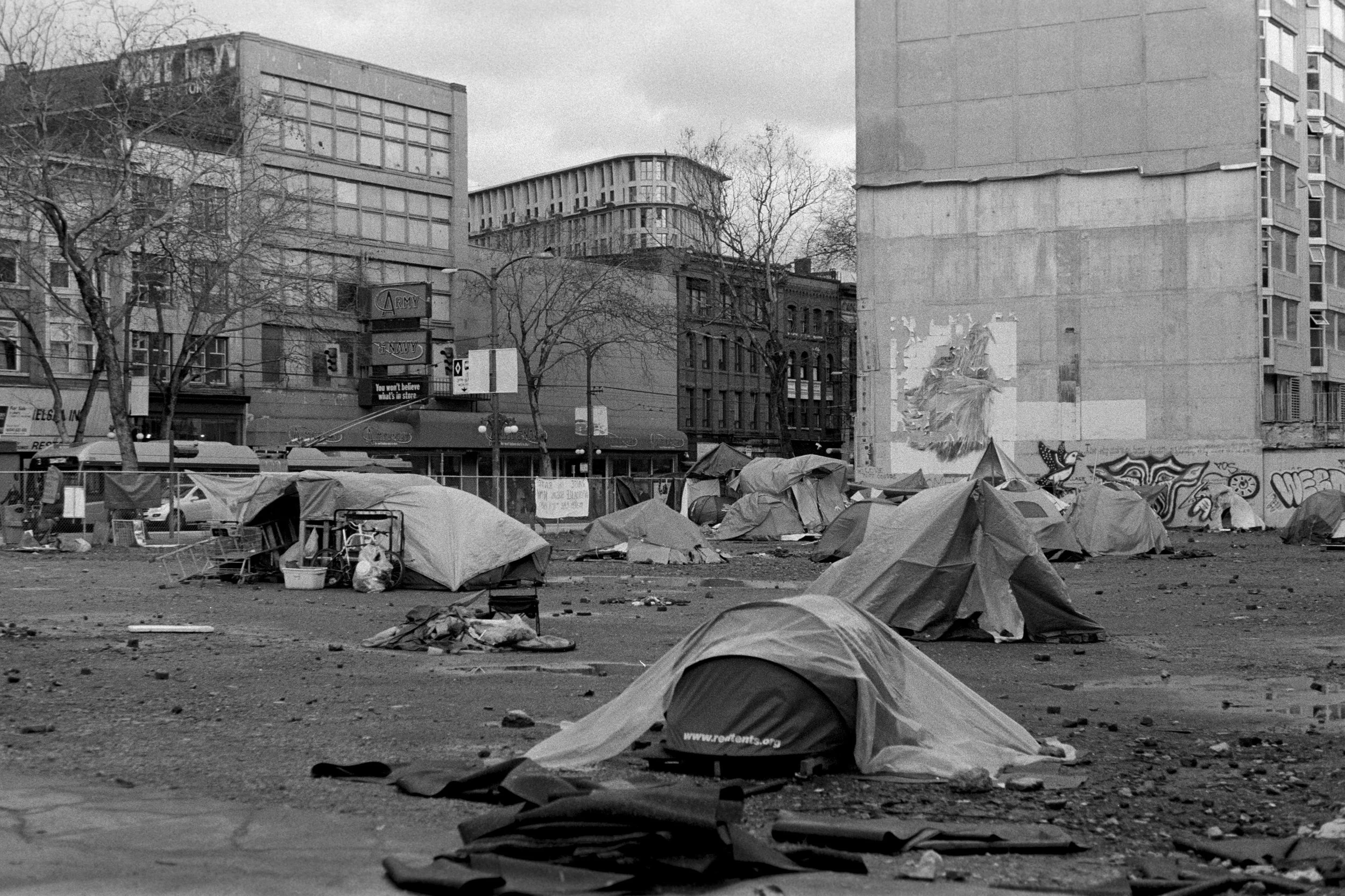
One visible indicator of systemic strain is the persistence of issues such as housing insecurity. Rather than pointing to individual failure, these conditions often reflect gaps in how systems support people across different regions and cost-of-living realities. Many who contribute consistently still find themselves navigating financial pressure tied to structures they have little influence over.
This reflection isn’t a call for upheaval, but for fairness. When compensation aligns more realistically with the true costs of living, communities tend to stabilize and cooperation improves. There is long-standing wisdom in the idea that resources can meet collective needs when balance and accountability are present. Creating systems that reward contribution without concentrating excess remains an ongoing challenge—one worth continued attention and care.
This piece was written from a place of intensity, shaped by lived experience and honest frustration. With time, that intensity has softened into something more useful: clarity. Real change—whether personal or collective—rarely begins in anger alone. It begins when awareness meets steadiness, and when conversations create space rather than deepen division.
Being essential doesn’t only describe the work we do; it also speaks to how we care for ourselves, each other, and the systems we participate in. When we choose presence over reactivity, curiosity over certainty, and balance over urgency, we begin contributing to the kind of health—personal and collective—that can actually be sustained.
